Avoid hidden rubbish removal charges in West Norwood
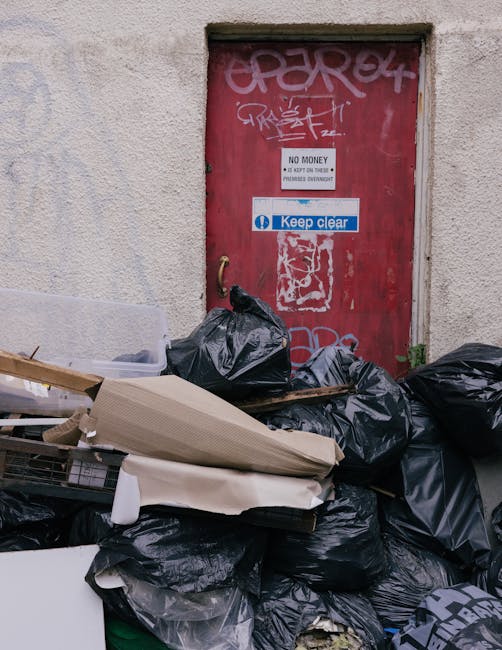
If you have ever booked waste clearance and then stared at the final bill thinking, "Where did that extra charge come from?", you are not alone. To avoid hidden rubbish removal charges in West Norwood, you need more than a cheap headline price; you need a clear quote, the right service for the job, and a few simple checks before anyone lifts a bag. That sounds obvious, but in practice, it is where people get caught out.
West Norwood homes, flats, shops, and building projects often produce mixed waste, awkward access, and last-minute changes. A driveway might be tight, a stairwell might be narrow, or a pile of rubbish might be bigger than it first looked. Those details matter. This guide shows you how rubbish removal pricing usually works, which extra charges are common, and how to spot a fair provider before the van even arrives.
Why Avoid hidden rubbish removal charges in West Norwood Matters
Hidden charges are frustrating because they usually appear at the exact moment you are trying to finish a job. Maybe you are clearing a loft before a move, getting rid of builders' waste after a renovation, or sorting a garden that has turned into a small wilderness by the shed. In all three cases, cost control matters. A quote that looked fine on paper can become painful once extras are added for labour, access, parking, waiting time, congestion, restricted items, or weight.
The biggest issue is not just the money. It is the uncertainty. If a company is vague about what is included, you cannot compare them properly against another provider. And if the team arrives and starts "discovering" new charges on site, you are already on the back foot. Let's face it, nobody enjoys negotiating beside a pile of old mattresses and broken shelves.
Transparent rubbish removal helps you plan better, choose the right service, and avoid rushed decisions. That matters in West Norwood, where properties can vary a lot: Victorian terraces, flats above shops, shared access, narrow streets, and weekend-only clear-outs all create different pricing pressures. The more precise your booking, the less likely you are to be surprised later.
For many customers, the best first step is to understand the service type itself. Sometimes a standard rubbish removal visit is right. Other times, a domestic skip hire booking, a wait and load skip hire arrangement, or a more specific service such as house clearance may actually be better value. Choosing the wrong one is a classic way hidden costs creep in.
How Avoid hidden rubbish removal charges in West Norwood Works
Good pricing starts with clarity. Most rubbish removal services base the quote on some combination of volume, waste type, labour, access, and timing. A small pile of light household waste is usually straightforward. A mixed load with heavy rubble, broken furniture, and a third-floor walk-down is not. The more variables there are, the more important it is to pin down the details upfront.
Here is the basic process that helps keep costs honest:
- Describe the waste accurately. Say what it is, how much there is, and whether it is loose, bagged, stacked, or still in rooms.
- Check access conditions. Mention steps, lifts, narrow hallways, parking limits, and whether the team can park close to the property.
- Ask what the quote includes. Labour, loading, disposal, VAT if applicable, and any minimum charge should be made clear.
- Ask about exceptions. Heavy items, hazardous materials, permits, or special handling can change the price.
- Confirm timing. Same-day help, out-of-hours work, and waiting time can all affect the final figure.
If you are weighing up different methods, it helps to compare not just the headline price but the likely final cost. A cheaper quote that excludes disposal, waiting, or bulky-item fees may end up more expensive than a more transparent option. That is the bit people miss. The headline looks neat, but the invoice does not care about your first impression.
For some jobs, you may also want to compare man and van collections with grab hire services, especially where access is awkward or waste is heavy. And if the rubbish is from a refurbishment or trade job, builders waste removal or construction waste disposal may be more suitable than a general clear-out.
Key Benefits and Practical Advantages
When pricing is transparent, the benefits show up immediately in both the job and the mood around it. People tend to underestimate how much smoother a clearance feels when the cost is agreed properly. The truck turns up, the waste goes, and nobody is squinting at a line item wondering what "additional handling" means.
- Better budgeting: You can plan the job around an actual figure rather than a guess.
- Fewer disputes: Clear expectations reduce awkward conversations on the day.
- Faster decisions: You can compare services properly and book with confidence.
- Right-sized service: You are less likely to overpay for the wrong method.
- Less stress: A clear quote takes pressure off the whole project.
There is also a practical advantage around compliance and disposal. Reputable providers should be open about what they can and cannot take, how items are handled, and whether certain materials need separate treatment. That matters if you are dealing with appliances, fridges, old sofas, mattresses, or mixed waste from a refurb. For those situations, specialist services such as fridge and appliance removal and mattress and sofa disposal can help prevent surprise fees tied to unsuitable loads.
And one more thing. Transparent pricing usually signals a more organised operation overall. Not always, but often enough to matter. A company that explains its process clearly is more likely to turn up prepared, load efficiently, and finish the job without drama. That alone can be worth a lot on a rainy Thursday morning in South London.
Who This Is For and When It Makes Sense
This advice is useful for almost anyone, but it is especially helpful if your clearance has a few moving parts. If your job is tiny and simple, you may not need to overthink it. But if there is any chance of variation, ask more questions than you think you need. Seriously. One extra minute on the phone can save a lot of annoyance later.
You will probably benefit from a careful, transparent quote if you are:
- Clearing a flat, house, loft, garage, or garden
- Managing a move or end-of-tenancy clean-out
- Dealing with renovation debris, plasterboard, timber, or old fittings
- Running a shop, office, or small business and need routine waste taken away
- Handling bulky items, damaged furniture, or appliances
- Trying to keep a construction or demolition project on budget
For domestic projects, garage and loft clearance and house clearance are common use cases where prices can change quickly if the volume is underestimated. If the job is commercial, office clearance or commercial skip hire may offer better structure and fewer surprises.
If you are not sure which option fits, ask yourself: do I need loading help, a fixed container, or just a quick collection? That one question sorts out a surprising number of bad bookings.
Step-by-Step Guidance
Here is a simple, practical way to reduce hidden rubbish removal charges before you book. Nothing fancy. Just a sensible process that works.
- List everything you want removed. Include bulky items, bags, rubble, wood, appliances, and anything odd-shaped. If in doubt, mention it.
- Estimate the amount as honestly as you can. A photo helps. So does standing back and checking whether the pile is actually three bags or six. It happens.
- Describe access clearly. Tell the provider about stairs, shared hallways, garden access, height restrictions, or parking limits. Access is a big pricing factor.
- Ask what the price includes. Make sure you know whether loading, disposal, labour, VAT, and environmental fees are included.
- Confirm what could trigger extra charges. Ask about waiting time, additional floors, distance from parking, oversize loads, restricted items, or late changes.
- Check the waste type rules. Some loads need special handling. If you have items like chemicals, paint, asbestos-like materials, or other risky waste, ask before booking.
- Choose the right service. For some jobs, same day skip hire may be the fastest route. For tight access, wait and load skip hire can be more practical. For heavier or construction-based waste, builders skip hire may be the cleaner fit.
- Get the quote in writing. Email, text, or booking confirmation is better than a vague verbal estimate.
If your waste is coming from garden work, a dedicated garden waste removal service may avoid unnecessary mixed-waste charges. If you are clearing a site or dealing with a larger project, look at site clearance or even construction waste clearance for a more tailored approach.
Questions worth asking before you confirm
- Is there a minimum charge?
- Does the quote include labour and disposal?
- What happens if the load is bigger than expected?
- Are there extra costs for stairs, distance, or waiting?
- Are there items you will not take?
If the answers are clear, good. If the answers are fuzzy, that is usually telling you something.
Expert Tips for Better Results
In our experience, the best way to avoid hidden rubbish removal charges is to treat the quote process like a mini audit. Not a big dramatic thing. Just a calm check. Think of it as the waste-removal version of reading the small print before tapping "confirm".
Tip 1: Be brutally honest about the load. Underestimating volume is the fastest route to an awkward upsell. A modest-looking pile can hide a lot of weight, especially if it contains rubble, wet garden waste, or broken furniture.
Tip 2: Mention access problems early. A narrow side path, tricky parking, or a third-floor flat without a lift changes the job. Good providers will account for it up front, not weaponise it later.
Tip 3: Use the service that fits the waste, not the cheapest headline. A dedicated waste-clearance job can be better value than a generic collection if your waste is awkward or mixed. The wrong service often costs more in the end.
Tip 4: Ask whether recycling or sorting affects the price. Some loads are simpler to process than others. Mixed loads may need separation, and that can matter. A provider should explain it plainly.
Tip 5: Keep hazardous items out of general waste. Do not sneak in paint tins, gas bottles, batteries, or unknown chemicals and hope for the best. That is the sort of thing that can lead to charges, delays, or refusals. And nobody wants that standing at the kerb with an impatient driver.
If you want a clearer understanding of disposal rules before booking, it helps to review what can go in a skip and the company's recycling and sustainability approach. Those pages can give you a better feel for how waste is handled and what counts as a restricted load.
One more thing: if you are dealing with paperwork as well as rubbish, confidential shredding can be a better option than throwing sensitive documents into a general collection. It is a small detail, but small details are where tidy jobs stay tidy.
Common Mistakes to Avoid
Most hidden charges are not random. They come from predictable mistakes, and the good news is that they are avoidable.
- Booking on price alone: The cheapest headline figure often leaves out something important.
- Guessing the waste volume: A rough estimate is fine; a wild guess is not.
- Forgetting access details: Steps, parking, and loading distance can all affect cost.
- Mixing prohibited items into a general load: This is one of the easiest ways to trigger extra charges.
- Assuming permits are included: If a skip needs to go on the road, ask about skip hire permits or skip permits before you book.
- Not checking whether the service is fixed or variable price: A clear fixed quote is very different from a "starting from" figure.
For road-side placements or awkward streets, permit questions matter a lot more than people expect. West Norwood is not a place where you want to assume parking is simple and then discover, ten minutes later, that it very much is not. If in doubt, ask.
It is also worth checking whether the provider offers a clear explanation of complaints or customer care. A transparent complaints procedure is a small sign, but a useful one. It shows there is a process if something does go wrong.
Tools, Resources and Recommendations
You do not need fancy software to avoid surprise fees. A phone camera, a notes app, and a little discipline are usually enough. That said, a few simple tools can make the process easier.
- Photos of the waste: Take wide shots from a couple of angles.
- Measurements of bulky items: Helps with sofas, wardrobes, desks, and appliances.
- Access notes: Record gate width, steps, parking restrictions, and any shared entry points.
- Waste list: Break the job into categories: furniture, wood, rubble, green waste, electronics, paper.
- Booking confirmation: Save the details so you can refer back if there is any disagreement.
For larger jobs, the following services can be more efficient than a one-size-fits-all collection:
- skip hire for flexible on-site loading
- grab lorry hire for bulkier or loose material
- muck away services for soil, hardcore, and excavation waste
- enclosed and lockable skip hire where security matters
If you are unsure which route is best, compare the level of help, the speed, and the likely final cost. The "cheapest" option is not always the cheapest after all. Funny how that keeps happening.
For pricing transparency, it also helps to review skip sizes and prices and the company's payment and security information before you commit. Good operators make these details easy to understand because they know people do not want any surprises.
Law, Compliance, Standards, or Best Practice
Waste removal in the UK has compliance duties that matter even when the job seems simple. You do not need to become a legal expert, but you should expect the provider to work responsibly and to handle waste correctly.
At a practical level, that means waste should be transported, sorted, and disposed of lawfully. If a company cannot explain where your rubbish goes, or seems casual about restricted materials, that is a red flag. It is not just about avoiding charges; it is also about avoiding poor disposal practices and later problems.
For customers, the safest approach is to:
- Use a provider that explains what is accepted and what is not
- Declare hazardous or unusual items before collection
- Keep invoices and booking details for reference
- Check whether a permit is needed for road placement
- Read service terms carefully, especially around access and weight
Where a project involves building, demolition, or heavier materials, it is usually better to use the right specialist service rather than forcing everything into a general rubbish removal booking. That is especially true for demolition waste removal, builders waste removal, and construction waste disposal. The best practice is simple: match the waste type to the service type.
If you ever feel the quote is too vague, pause. Ask for the assumptions behind it. A fair provider will not mind. The one you should be cautious of often will.
Options, Methods, or Comparison Table
Different clearance methods suit different jobs. This table gives a simple comparison so you can choose with fewer surprises.
| Option | Best for | Typical pricing style | Hidden charge risk | Best when |
|---|---|---|---|---|
| Rubbish removal | General mixed waste, quick clear-outs | Volume, labour, access | Medium if details are vague | You want everything loaded for you |
| Skip hire | DIY, renovation, ongoing loading | Container size and hire period | Medium if permits or weight are ignored | You can fill it yourself over time |
| Wait and load | Short visits, no long parking need | Time-based visit | Low if access is simple | You can load quickly while the vehicle waits |
| Grab lorry | Heavy, loose, or bulky waste | Load size and material type | Low to medium | You have space for mechanical loading |
| Man and van | Smaller or more flexible collections | Job size and labour | Medium if stairs or distance are not stated | You need a hands-on team and flexibility |
If your goal is to reduce hidden rubbish removal charges in West Norwood, the table above is really about one thing: fit. Choose the service that matches the waste and access conditions. That is where most savings come from.
Case Study or Real-World Example
A typical West Norwood scenario goes something like this. A homeowner clears a spare room, a loft, and a few garden items at the same time. The list sounds small at first: a broken chair, two wardrobes, some boxed clutter, and a bag of garden trimmings. Then, on the day, a couple of extra items appear. One heavy chest of drawers. A damp rug. A small shelf full of old paint tins. Nothing outrageous, just the sort of thing that creeps in when you are finally tackling the mess.
If the provider has not asked the right questions, the quote can change on arrival. Maybe the paint tins are excluded. Maybe the load is heavier than expected. Maybe the driveway is too tight and the team has to walk waste much further than planned. Suddenly the price is different.
Now compare that with a better-prepared booking. Photos are sent in advance. The customer says there are stairs, limited parking, and one or two bulky pieces. The provider recommends the right collection method, explains what counts as mixed waste, and flags anything that needs separate handling. The job still costs money, of course, but there is no nasty surprise at the end. The whole thing feels calmer. Cleaner, somehow.
If the waste had been mostly furniture and household items, a tailored house clearance service would likely have made more sense than a general collection. If it had been a bigger garden project, a dedicated garden waste removal option might have been better. The point is not that one service is always best. It is that the right service reduces the chance of hidden cost.
Practical Checklist
Use this checklist before you book. It is quick, and it catches most of the expensive little mistakes.
- Have I described the waste clearly?
- Have I included photos or an honest estimate of volume?
- Have I mentioned stairs, parking, gates, or awkward access?
- Do I know exactly what the quote includes?
- Have I asked about VAT, disposal, labour, and minimum charges?
- Have I checked whether any items are restricted?
- Do I know whether a permit is needed?
- Have I chosen the right service for the job?
- Have I got the quote or booking terms in writing?
- Do I understand what could trigger extra costs?
Expert summary: the safest way to avoid hidden rubbish removal charges is to be precise, not optimistic. Give the provider the full picture, choose the right collection method, and get the price confirmed in writing. That alone prevents most disputes.
Get a free quote today and see how much you can save.
Conclusion
Hidden rubbish removal charges are rarely mysterious. More often than not, they are the result of unclear waste descriptions, vague quotes, or a mismatch between the job and the service. Once you know what to ask, the whole process becomes much easier to manage.
In West Norwood, where properties and access conditions can vary from one street to the next, a careful quote is worth its weight in gold. Be specific, ask direct questions, and do not be afraid to slow the booking down if the details are not clear. A fair provider will respect that.
If you take one thing from this guide, let it be this: transparency saves money and stress. Simple, really. And a lot kinder on your day.
Frequently Asked Questions
How do I avoid hidden rubbish removal charges in West Norwood?
Give a full description of the waste, include photos if possible, ask what the quote covers, and confirm any possible extras before booking. The more specific you are, the less room there is for surprise charges.
What extra charges should I ask about before booking?
Ask about labour, disposal, VAT, waiting time, difficult access, stairs, parking distance, overweight loads, and restricted items. Those are the usual places where extra costs appear.
Is rubbish removal cheaper than skip hire?
It depends on the job. Rubbish removal can be better for one-off collections or awkward access. Skip hire may suit ongoing DIY or renovation work. The cheaper option depends on volume, access, and timing.
Do I need a permit for a skip in West Norwood?
If the skip is going on the public highway, a permit may be needed. Ask about skip hire permits or skip permits before you confirm the booking.
Can I put mixed waste into one collection?
Often yes, but mixed loads can cost more if they include heavy, restricted, or hard-to-sort materials. Always ask whether your mix of waste is acceptable and whether it changes the price.
What items commonly cause surprise charges?
Mattresses, fridges, appliances, paint tins, rubble, soil, and other heavy or specialist items are common culprits. They may need separate handling or specific disposal routes.
How can I compare quotes properly?
Compare what is included, not just the headline price. Look at labour, disposal, VAT, access assumptions, and any exclusions. A cheaper-looking quote may be worse value once extras are added.
What if my load is bigger than I first thought?
Tell the provider as soon as possible. If you wait until the team arrives, the cost may change on the day. An updated estimate is much better than a surprise invoice.
Is same-day rubbish removal more expensive?
It can be, because urgent bookings often need more flexible scheduling. If time is tight, same day skip hire or a rapid collection option may still be worthwhile, but ask about the premium first.
What is the safest way to handle hazardous waste?
Do not mix hazardous items into ordinary rubbish. Tell the provider exactly what you have and ask for the correct disposal route. If in doubt, use hazardous waste disposal guidance before booking.
Should I choose rubbish removal or house clearance?
If the job is mainly general household clutter or furniture from a property, house clearance may be the better fit. If it is a smaller, mixed, one-off load, general rubbish removal may be more suitable.
How do I know if a company is being upfront?
They should explain pricing, exclusions, and access assumptions clearly. If answers are vague, rushed, or contradictory, that is a warning sign. Clear terms usually mean fewer surprises later.